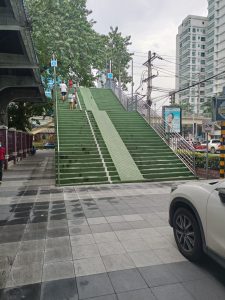


Bangkok, renowned for its lively culture and busy streets, periodically confronts issues with air pollution, notably PM2.5 particles. These small particles, less than 2.5 micrometers in diameter, may pose considerable health concerns when breathed in. Adapting to such situations demands proactive efforts to safeguard health and maintain quality of life. Here are some concrete strategies for living with PM2.5 air pollution in Bangkok.
Monitor Air Quality Regularly
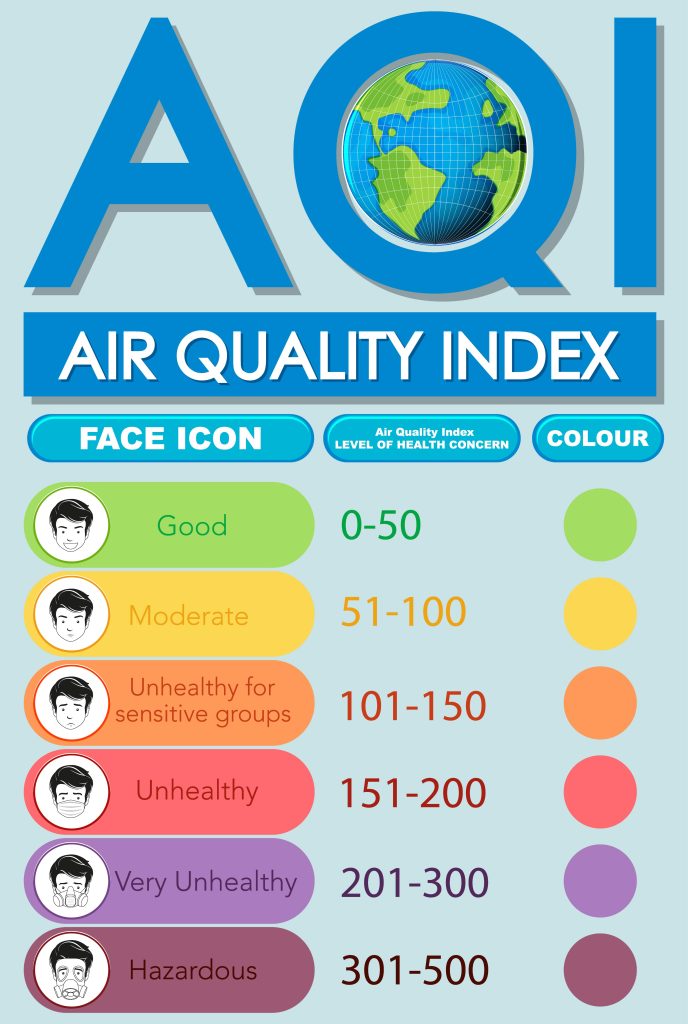
What you don’t know, you can’t do much about, so keeping track of the air quality is the first step to being prepared. Use trusted applications and websites like AirVisual, AQICN, or Thailand’s Pollution Control Department website to check the Air Quality Index (AQI) on a daily basis. Knowing when pollution levels are high might assist to plan activities and determine whether to remain inside or wear masks (see below).
Avoid Outdoor Activities During Peak Pollution Hours
PM2.5 levels are generally greater throughout specific times of the day, notably in the morning and evening when traffic congestion increases. Plan outside activities during hours when air quality is best, typically this may be during the afternoon. When feasible, during periods of high PM2.5 levels, explore indoor options for exercise or leisure activities.
Invest in High-Quality Masks
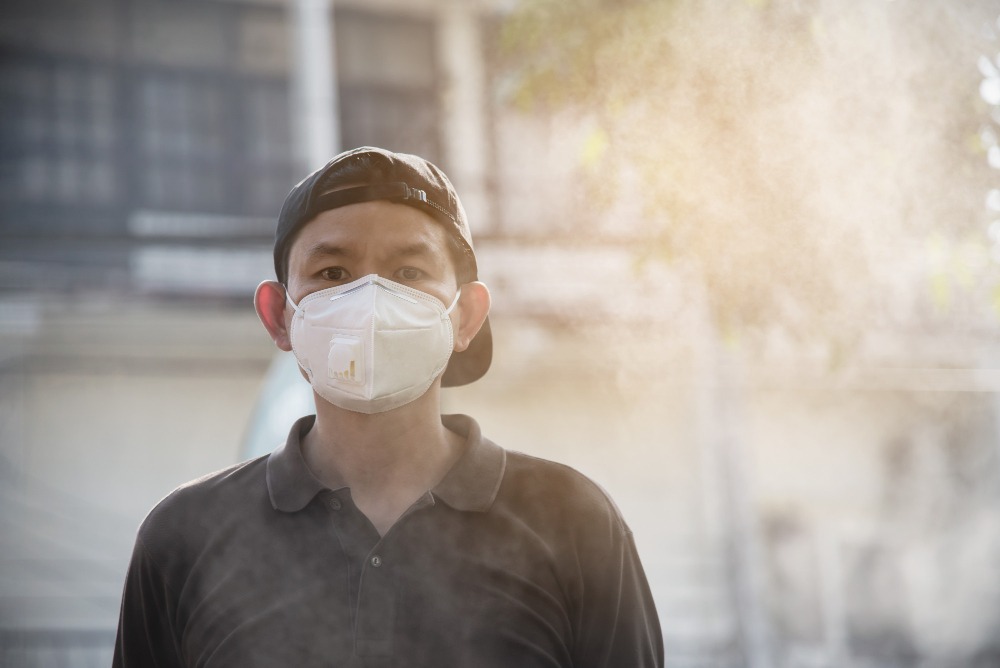
When walking outdoors during high PM2.5 levels, using a high-quality mask is crucial. N95 or KN95 masks are extremely excellent at screening small particles. Ensure the mask fits tightly and covers both the nose and mouth. Replace disposable masks periodically and clean reusable ones as directed by the manufacturer.
Use an Air Purifier at Home
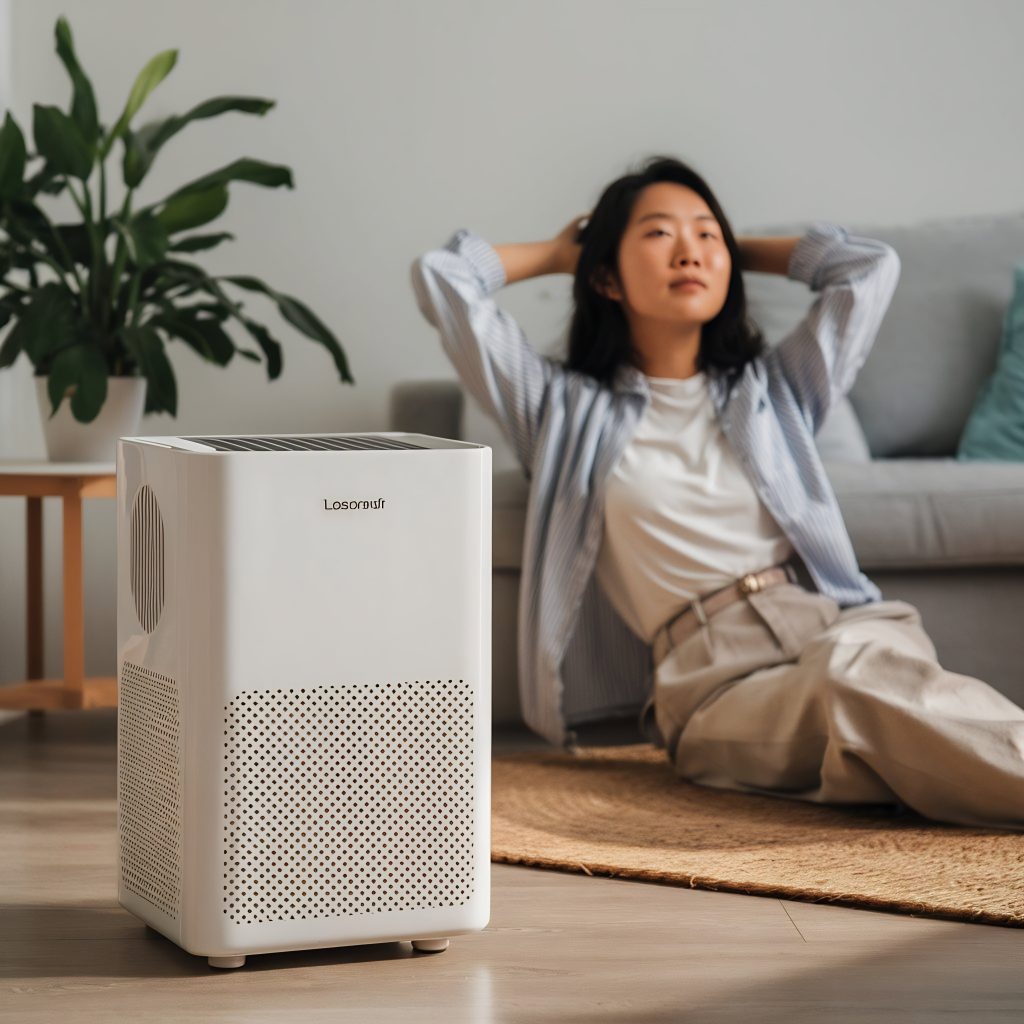
An air purifier may dramatically enhance indoor air quality, lowering the quantity of PM2.5 particles. Choose a purifier with a HEPA filter, since they are particularly designed to trap tiny particles. Place the purifier in commonly used areas such as bedrooms or living rooms for optimal efficacy and ensure you run the device in each space, rather than trying to cover too large an area.
Create a Clean Indoor Environment
Minimizing indoor air pollution is similarly vital. Avoid burning incense, candles, or utilizing aerosol sprays that might release more particulates. Regularly clean surfaces and vacuum carpets using a device equipped with a HEPA filter to avoid dust accumulation.
Stay Hydrated and Eat a Balanced Diet
Staying hydrated helps the body flush out toxins that may collect due to exposure to air pollution. Consuming a diet rich in antioxidants, such as fruits, vegetables, nuts, and seeds, could help strengthen the body’s defenses against oxidative stress induced by pollution. Foods like berries, citrus fruits, spinach, and green tea are wonderful options.
Seal Windows and Doors
Preventing outside air from leaking inside may assist to maintain a clean atmosphere. Use weather stripping to seal gaps around windows and doors. During times of excessive air pollution, keep windows closed and utilize air conditioning devices with built-in air filters to maintain interior temperature.
Use Public Transport or Carpool
Reducing human contributions to air pollution is a community duty. Opt for public transit like the BTS Skytrain or MRT instead of driving. Carpooling or utilizing ride-sharing services also helps minimize the number of cars on the road, which has the potential to cut total emissions.
Practice Proper Hygiene
Pollutants may accumulate on the skin, hair, and clothes after extended contact outdoors. Taking a shower and changing clothing promptly after arriving home helps decrease interaction with these particles. For further protection, try using mild cleansers intended to eliminate contaminants from the skin.
Advocate for Cleaner Air
Addressing air pollution at its base demands systemic reform. Supporting efforts that encourage renewable energy, higher emissions requirements, and sustainable urban design may make a difference. Participate in local clean-air initiatives or interact with groups trying to prevent pollution in Bangkok.
Understanding PM2.5 and Its Risks
PM2.5 particles are especially dangerous owing to their capacity to penetrate deep into the lungs and even reach the bloodstream. Prolonged exposure may lead to respiratory troubles, cardiovascular problems, and weakened immunity. Sensitive populations, such as young children, the elderly, and people with pre-existing health disorders, are particularly at risk.
Bangkok’s air pollution typically derives from car emissions, industrial operations, and seasonal crop burning in nearby areas. Understanding these sources shows the significance of both individual and group action to limit exposure and advocate for long-term solutions.
Living with PM2.5 pollution may seem unsettling, but following these steps will give you a better chance of preserving your health and well-being. By keeping up to date on the current outlook, adopting lifestyle modifications, and contributing to wider environmental projects, it’s possible to withstand periods of high pollution; even in challenging metropolitan areas like Bangkok.